
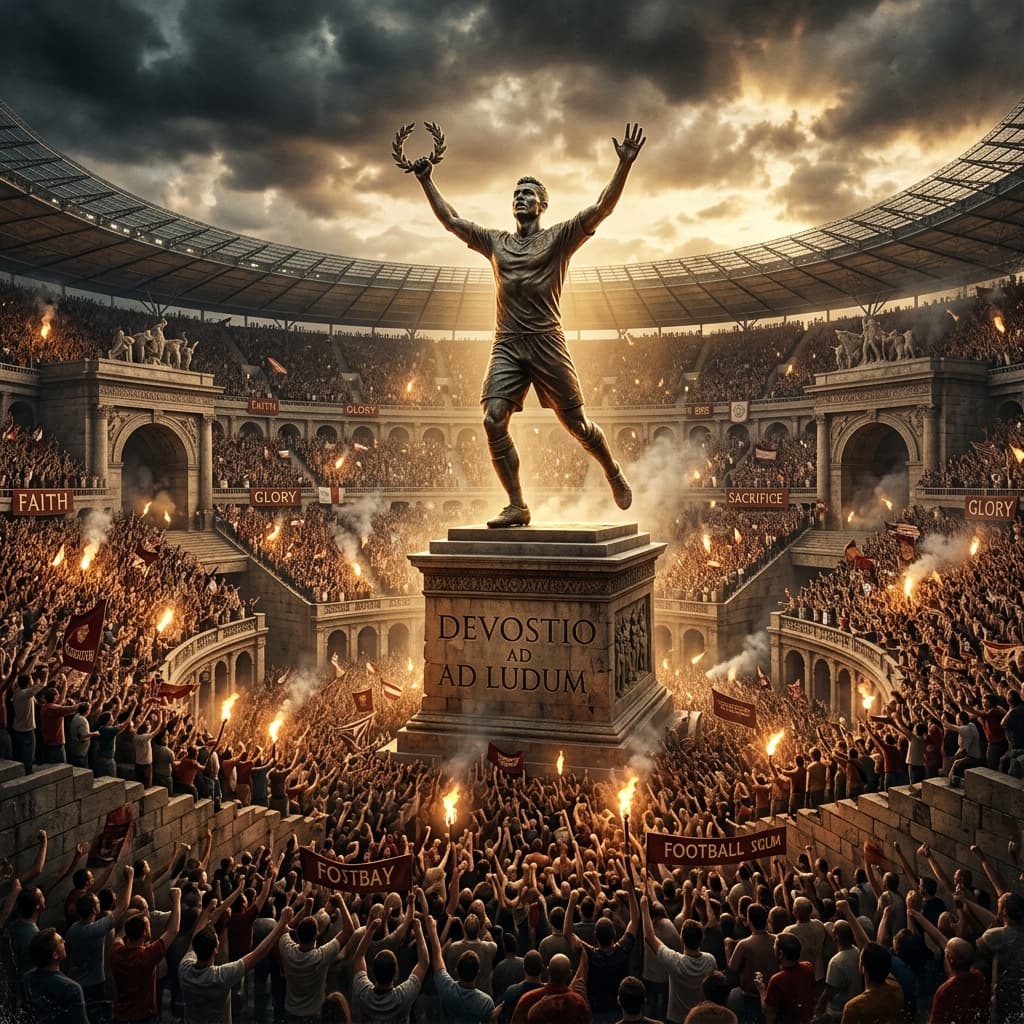
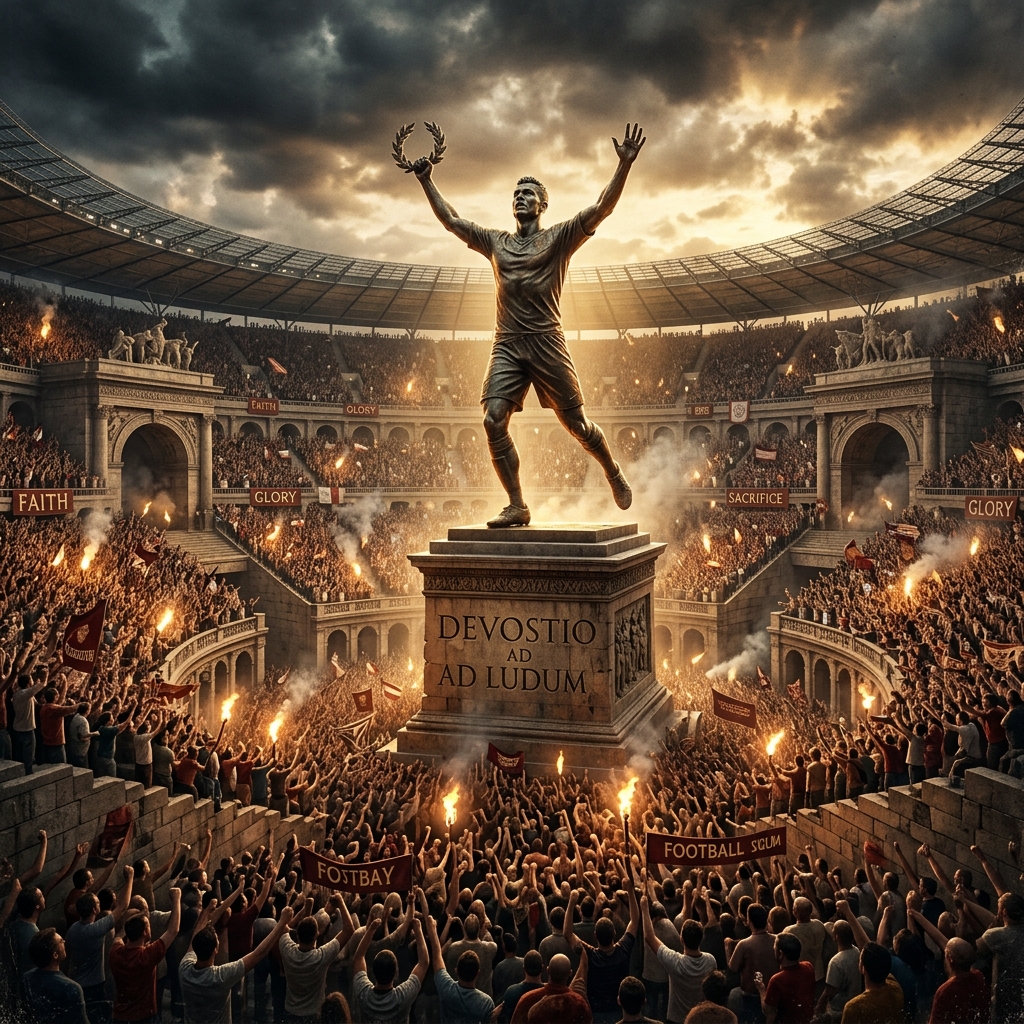
The clinical and anthropological observation of the behavior of the masses during the 2026 World Cup forces us to confront a disturbing reality: the religious instinct of the human being cannot be eradicated, only redirected. After decades of aggressive secularism and immanentist materialism, which proclaimed the "death of God" and the end of metaphysics, contemporary man has not become truly rational or skeptical. On the contrary, he has transferred his inherent need for transcendence, worship and adoration towards finite, perishable goals unworthy of such devotion. The football stadium has metamorphosed into the great temple of the 21st century.
1. The Anatomy of Religious Substitution
The human being is, by his own ontological nature, a homo religiosus. Thomas Aquinas and other classical thinkers demonstrated that the desire for communion with the Absolute is imprinted in the very structure of the soul. When modern society, influenced by scientism and Freudian psychoanalysis (which wrongly pathologized religious sentiment), attempted to amputate this spiritual dimension, it left an abyssal existential void.
This void, which contemporary psychiatry often tries to anesthetize with psychotropic drugs, finds temporary and illusory relief in the cult of sports celebrity. During the World Cup, we observed phenomenologically all the constituent elements of the traditional liturgy, but grotesquely inverted:
- Chanting and mantras: Rhythmic repetitions designed to induce a state of collective hypnotic trance.
- Relics: T-shirts, booties and objects touched by the "idol", which acquire a sacred fetish value for the fan.
- Pilgrimage: The ritual journey to the host cities and sanctuary stadiums.
- The Idol: The athlete elevated to the category of infallible deity and messianic savior.
2. The Psychopathology of Projection
From a clinical psychiatric perspective, this extreme idolatry constitutes a massively projected neurotic defense mechanism. Individuals frustrated by the dissolution of real community ties and the lack of purpose in their atomized lives project their hopes for meaning and success onto a soccer player or a national team.
When the idol "triumphs", the individual experiences a false catharsis, a vicarious exultation that temporarily masks his own insignificance. When the idol "fails", the reaction is usually disproportionately violent or depressive, revealing the underlying psychic instability. We are faced with a society that, unable to deal with the true suffering and sacrifice that the cultivation of virtue (classical areté) demands, seeks cheap redemption in the physical talent of others.
3. Conclusion: The Return to Realism
The worship of the creature above the Creator is not a new phenomenon; It's old paganism revived under neon lights. The fundamental problem of the World Cup, beyond financial and political corruption, is the spiritual and psychological damage it inflicts by promoting a substitute religion.
True mental and anthropological health requires that man recognize his limits and direct his capacity for wonder and adoration towards what is truly Absolute and Eternal (transcendental Truth, Good and Beauty), not towards fallible mortals chasing a ball. It is time to diagnose this fanaticism for what it really is: a clear symptom of a civilization in a profound crisis of meaning.
APA References:
- Aquino, T. (1265-1273). Summa Theologica.
- Eliade, M. (1957). The sacred and the profane. Rowohlt Taschenbuch Verlag.
- Frankl, V. E. (1946). Man in search of meaning. Verlag für Jugend und Volk.
Legal Note: This critical analysis is carried out under the protection of Art. 28 (news of general interest) and Art. 10 (right of citation) of Law 11,723 on Intellectual Property of the Argentine Republic. The original work and its title belong to its respective author and publication medium, cited on this page.